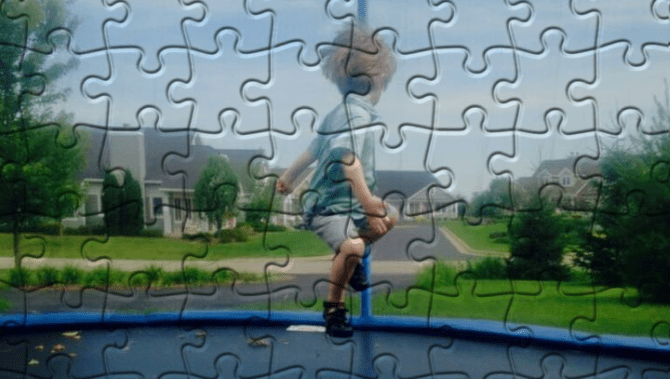

High-functioning autism is like the wind. Much of the time it is calm and unnoticeable. But it can change in an instant. Before you know it things around you begin to swirl. The contents of your life are lifted and tossed around with no effort at all. Shaken.
Sometimes the wind is quick; a burst of destruction before moving on. Other times the wind lingers; a chill in the air effecting the people and things in its path.
And then, the wind settles. Nothing is as it was before. Everything is changed. Different, but the same. And so, you go on. Learning to accept things the way they have landed. Waiting. Waiting for the next gust.
This is how we have come to know life. And most days we understand that this is all a part of the journey. We have learned to make space for autism in our life; to let it come and go. In a way I still do not fully understand, we are being raised by autism. Learning and adapting to every new normal along the way.
But this I know for certain; our normal is anything but.
I know when you look at my son you see something that your brain tells you is “naughty”. If you walk by us on the street you may see my son screaming and yelling. You may see him swearing and using inappropriate words. You may see him hitting or kicking or spitting. You will see all the telltale signs of naughtiness. You will see a red face. And angered scowl. An elevated tone. It would be easy to conclude that he is a naughty kid. A kid whose parents are not teaching him how to be “good.”
What you will not see is the storm brewing below the surface. The conflicting tornadic funnels of autism and ADHD. On one side the instinct to overthink and obsess, and on the other side the need to move unpredictably without care. Methodical and erratic. Soft and loud. Slow and fast. Steady and sporadic. Unimageable opposition all swirling around inside of this beautiful ten year old boy.
What you will not see is the work we all do each and every day. The doctors and therapy. The schedules and medications. The rewards and consequences to help track every inch of our progress. The somber conversations at the end of a hard day evaluating the next course forward. The celebrations when we achieve even the smallest success.
High-functioning autism might look like naughty. But it could not be further from the truth. There is a saying that I turn to in my darkest moments: “my child is not giving me a hard time; my child is having a hard time.”
Inside of this tiny little person battling multiple social emotional disorders is the kindest soul you will ever know. He is navigating high-functioning autism every single day. And, some days are better than others.
I wish I could release a forcefield of protection around him every time he leaves the house. But I cannot do that. Instead I just have to live inside of the hope that people in the world instinctually want to be good. And maybe if they knew more, his road ahead could be a little less filled with challenge.
This is what I want you to know, what I want the world to know, about high-functioning autism.
High-functioning autism is not naughty.
It is on the surface looking just like everyone else around you, but holding so much difference inside below the surface.
It is knowing the words to explain your feelings, but never being able to use them just right.
It is a deep yearning for social interaction, but a lack of natural ability to act on those urges.
It is working up the courage to join in, only to be left out for acting “weird”.
It is having a brain that most people cannot understand.
It is having an outburst at your friends because they cannot see something the way that you see it.
It is never being able to explain things the exact way you experience the world.
It is seeking order and systems that make people around you feel uncomfortable.
It is needing extra support at school, but not wanting to look different in front of peers.
It is big emotions in all directions; happiness, excitement, sadness, anger, fear.
It is an acceptance deep inside of you that you are different, without ever understanding why.
…
Being kind, truly kind, means looking below the surface. It is not just the act of saying “be kind” it is the act of living kindly. It is accepting that there is always more than meets the eye. It is giving grace even when it feels un-natural. It is seeing a “naughty” child and considering that there may be more to the story. It is being grateful for what we have in this world; and considering others who are less fortunate.
Kindness is a deep commitment to continue learning. And if you learn anything from my words today let it be this; high-functioning autism is not naughty.
The next time you pass a child on the street, red-faced and filled with anger, do not judge. Instead, consider giving the parent a smile in kindness before moving along.

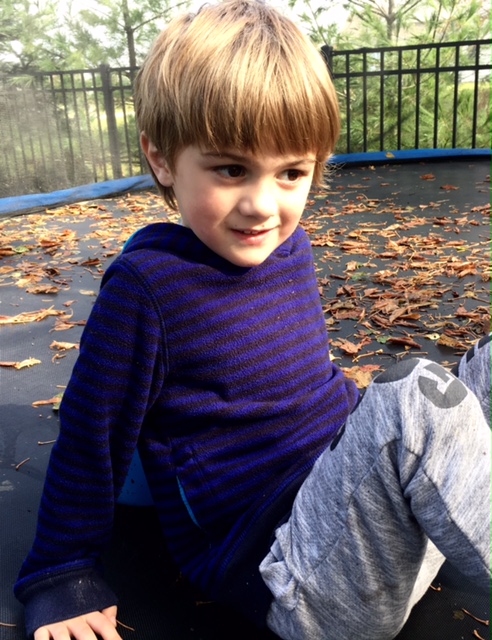 How to explain autism to children? I end this sentence with a question mark for a very good reason. This is a question I ask myself every single day. I see my little boy wanting to socialize appropriately with his peers. We work diligently to implement strategies and interventions to help him work through his obstacles.
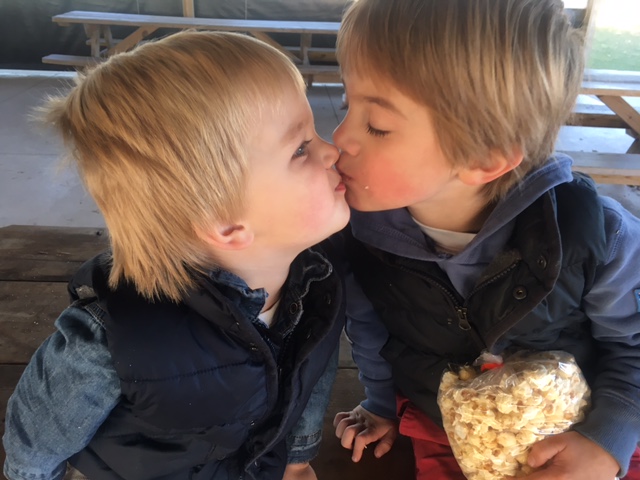 I do these things in my own home each day. I ask my youngest son how he feels when his brother yells or hits or slams the door. Sometimes he tells me that he feels scared or angry. Sometimes he does not say anything at all. Sometimes he cries. Sometimes he laughs and says “silly Gray.” The reality is that my youngest son is 2. He may not understand exactly what is happening in our home, but he is old enough and smart enough to notice the differences between him and his brother. So we talk to him about that difference.
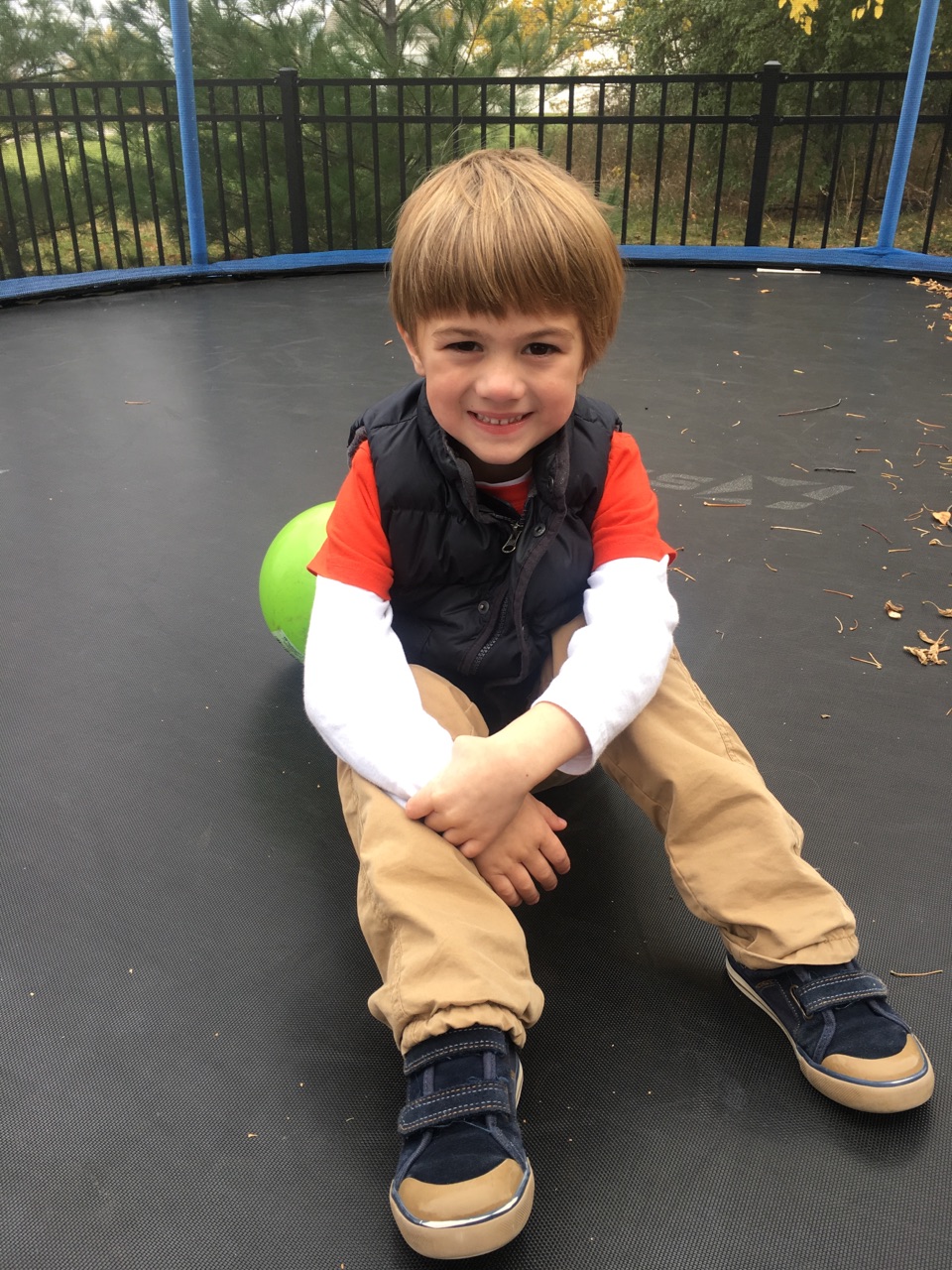 When we are in social settings with friends I often find myself explaining Grayson’s behaviors to other children. And, when I look around the parent is looking at me eager to hear my words. Eager to learn. To know what to say. Looking for permission and guidance. To those parents I may appear confident in my message. I am not. Inside my heart is breaking to have this conversation over and over again. But I will have that conversation as many times as it takes to help us along this journey. To help Grayson find his place in the world.
 piecesofloveblog